
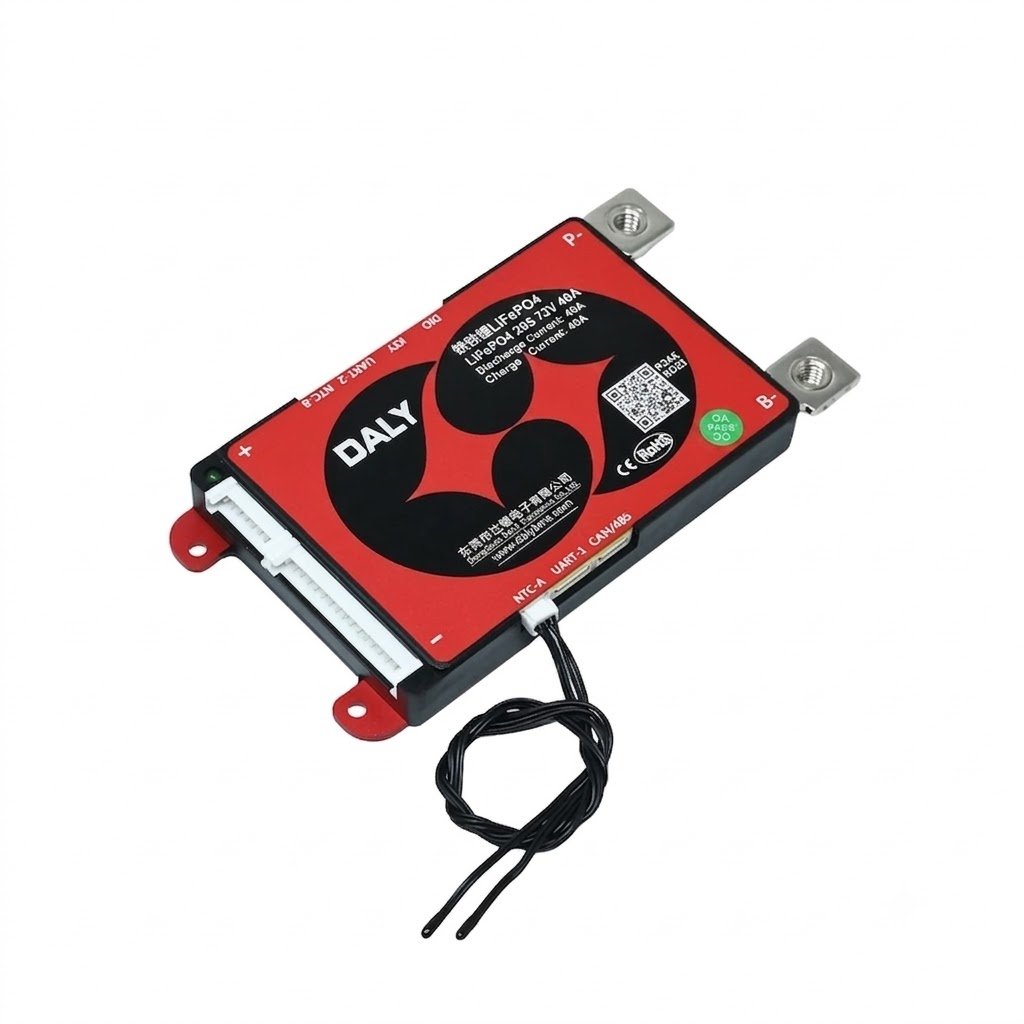
20S 72V 40A LFP BMS
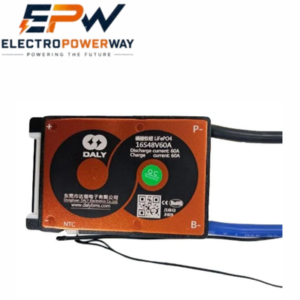
The 20S 72V 40A LFP BMS is a Battery Management System designed specifically for 20-series LiFePO4 (LFP) battery packs. It is designed to provide essential battery protection and monitoring for 72V-class lithium iron phosphate battery systems. With a 40A continuous discharge rating, this BMS is suitable for medium-power battery applications including electric vehicles, electric scooters, e-bikes, solar energy storage, backup power systems and custom LiFePO4 battery packs.
A Battery Management System is an important component of a lithium battery pack. It monitors the battery cells and helps protect the pack when operating conditions exceed the configured limits. The 20S 72V 40A LFP BMS is intended for users who require a BMS matched to a 20S LiFePO4 battery configuration.
20S LiFePO4 Battery Configuration
The 20S 72V 40A LFP BMS is designed for 20 cells or cell groups connected in series. LiFePO4 cells typically have a nominal voltage of approximately 3.2V per cell. Therefore, a 20S LiFePO4 battery pack has a nominal voltage of approximately 64V.
When standard 3.65V-per-cell LiFePO4 charging specifications are used, a 20S pack can reach approximately 73V at full charge. For this reason, 20S LiFePO4 packs are commonly marketed as 72V LFP battery systems.
The exact charging voltage should always be matched with the selected LFP cells and BMS specifications.
40A Continuous Discharge Current
This 20S 72V 40A LFP BMS is designed for a 40A continuous discharge rating. It can be used in battery systems where the required continuous discharge current is within the BMS rating.
The actual current capability of a complete battery pack also depends on the LiFePO4 cells, busbars, nickel strips, cables, connectors, fuse, controller and other electrical components. All components should be selected to safely handle the intended operating current.
LiFePO4 Battery Protection
The main function of the 20S 72V 40A LFP BMS is to help protect the connected LiFePO4 battery pack from abnormal operating conditions.
Depending on the exact BMS design, protection functions can include:
- Overcharge protection
- Over-discharge protection
- Overcurrent protection
- Short-circuit protection
- Temperature protection
- Cell voltage monitoring
- Cell balancing
These protection functions help keep the battery pack operating within its configured electrical limits.
Cell Voltage Monitoring
A 20S LFP battery pack contains 20 series-connected cell groups. During charging and discharging, differences in cell voltage can develop because of differences in cell capacity, internal resistance, age and usage.
The 20S 72V 40A LFP BMS monitors the individual series cell groups through its balance/sense connections. This allows the BMS to detect abnormal cell voltage conditions and activate the relevant protection function according to its configured parameters.
Individual cell monitoring is especially important in series battery packs because one cell group reaching a protection limit can affect the operation of the complete battery.
LFP Cell Balancing
The 20S 72V 40A LFP BMS can provide cell balancing depending on the exact BMS version. Balancing helps reduce voltage differences between individual series-connected LiFePO4 cell groups during charging.
Maintaining better voltage consistency can help improve the usable performance of a properly assembled battery pack and reduce the effects of cell imbalance.
The exact balancing method and balancing current are model-specific and should be confirmed from the manufacturer’s specifications.
Overcharge Protection
LiFePO4 cells must be charged within their recommended voltage limits. The BMS monitors individual cell-group voltage and can activate overcharge protection when the configured threshold is reached.
For a typical 20S LiFePO4 configuration using a 3.65V maximum cell voltage, the pack charging voltage is approximately 73V.
Always use a charger specifically designed for a 20S LiFePO4 battery pack.
Over-Discharge Protection
The 20S 72V 40A LFP BMS can also provide over-discharge protection. When a cell group falls below the configured minimum voltage, the BMS can disconnect the discharge circuit according to its protection settings.
This helps reduce the possibility of excessive discharge of individual cells.
However, BMS protection should not be treated as a replacement for correct battery design. The LiFePO4 cells should always be operated according to their manufacturer’s recommended voltage and current limits.
Overcurrent Protection
The BMS monitors the current flowing through the battery protection circuit. If the detected current exceeds the configured protection threshold, the BMS can disconnect the output according to its design.
The 40A rating refers to the specified continuous discharge capability and should not be interpreted as the guaranteed trip point for overcurrent protection. The actual protection threshold depends on the specific BMS model.
Short-Circuit Protection
A short circuit can result in extremely high current flow and may damage battery components. A compatible 20S 40A LFP BMS can provide short-circuit protection by disconnecting the battery output when a short-circuit condition is detected.
Protection response and recovery behavior depend on the specific BMS design.
Temperature Protection
Some 20S 72V 40A LFP BMS models include temperature sensors for monitoring the battery or BMS operating temperature.
Temperature protection can be useful in electric vehicles, scooters, energy storage systems and other applications where the battery may experience continuous load.
The number of sensors and exact temperature protection thresholds depend on the specific BMS version.
Applications
The 20S 72V 40A LFP BMS is suitable for a wide range of LiFePO4 battery applications, including:
- Electric vehicles
- Electric scooters
- Electric motorcycles
- E-bikes
- Solar energy storage
- Backup power systems
- UPS systems
- DIY LiFePO4 battery packs
- Portable power systems
- Robotics
- Industrial equipment
- Custom battery projects
Suitable for Custom LFP Battery Packs
The 20S 72V 40A LFP BMS is suitable for custom battery pack assembly when the cells and battery configuration match the BMS specifications.
It can be used with appropriately matched LiFePO4 cylindrical, prismatic or pouch cells. The cells should have compatible voltage, capacity and discharge characteristics.
For a 20S battery pack, the balance wires must be connected to the correct cell-group sequence. Incorrect wiring can damage the BMS or battery cells.
72V LiFePO4 Battery System
The term 72V LFP BMS generally refers to the voltage class of the battery system. A 20S LiFePO4 battery has approximately 64V nominal voltage when using 3.2V nominal cells and approximately 73V maximum charging voltage when using a 3.65V-per-cell charging limit.
Therefore, the 20S 72V 40A LFP BMS should be used with a charger and battery system specifically matched to a 20S LiFePO4 configuration.
Why Choose a 20S 72V 40A LFP BMS?
The 20S 72V 40A LFP BMS provides a practical battery management solution for 20-series LiFePO4 battery packs. Its 40A continuous discharge rating makes it suitable for medium-current applications, while cell monitoring and protection functions help manage the operating conditions of the battery pack.
For EV battery builders, battery repair workshops, electric mobility manufacturers, DIY battery pack builders and energy-storage users, a correctly matched 20S 72V 40A LFP BMS can provide an important layer of battery protection.
Reviews
There are no reviews yet.